 Add Row
  Add
Add 


Transform Your Urban Space: The Power of Vertical Gardening
As we approach World Environment Day, it's a timely reminder to consider how we can make a positive impact on our planet. For urban gardeners, turning to vertical farming presents an innovative solution to various environmental challenges. Imagine transforming a limited outdoor space into a thriving garden oasis, all while conserving resources and working towards sustainable practices.
Embracing Vertical Farming: What You Need to Know
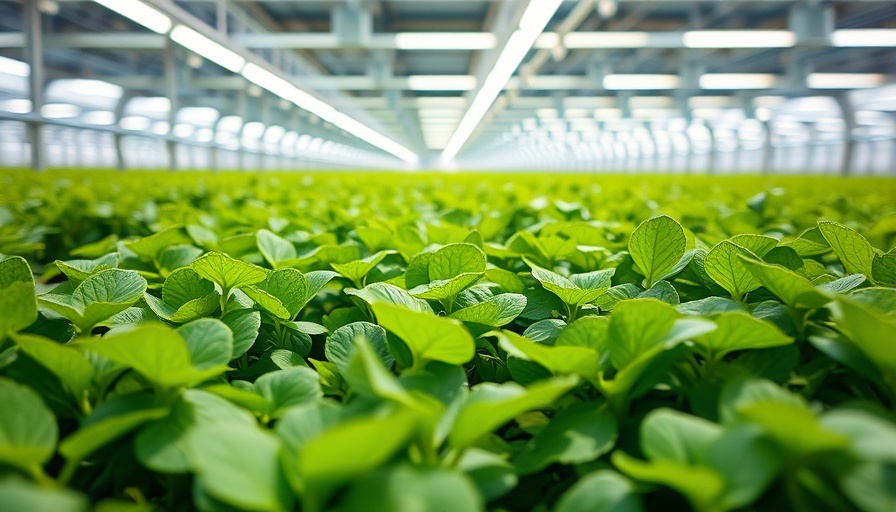
Vertical farming is revolutionizing how we cultivate crops, especially in densely populated areas. This method utilizes soilless farming techniques such as hydroponics, aquaponics, and aeroponics arranged in vertically stacked layers. These systems allow urban dwellers to maximize their space while still enjoying the fruits (and vegetables) of their labor. Imagine growing tomatoes, lettuce, or herbs right on your balcony or in a corner of your living room!
The Benefits of Hydroponics for Urban Gardeners
Hydroponic farming, a key aspect of vertical agriculture, enables you to grow plants more effectively without traditional soil. This soilless cultivation method delivers nutrients directly to plant roots through water-based solutions, ensuring optimal growth conditions. With controlled variables like pH levels, lighting, and nutrient delivery, hydroponics equips urban gardeners with the tools they need to overcome challenges such as poor soil quality or limited outdoor space.
Hydroponics can be highly advantageous for those passionate about gardening but constrained by traditional methods. In urban settings where outdoor gardening is limited, hydroponics allows for year-round cultivation. Plus, hydroponic systems often require less water than conventional farming, further supporting sustainable living initiatives.
Creating Community Through Shared Gardening Initiatives
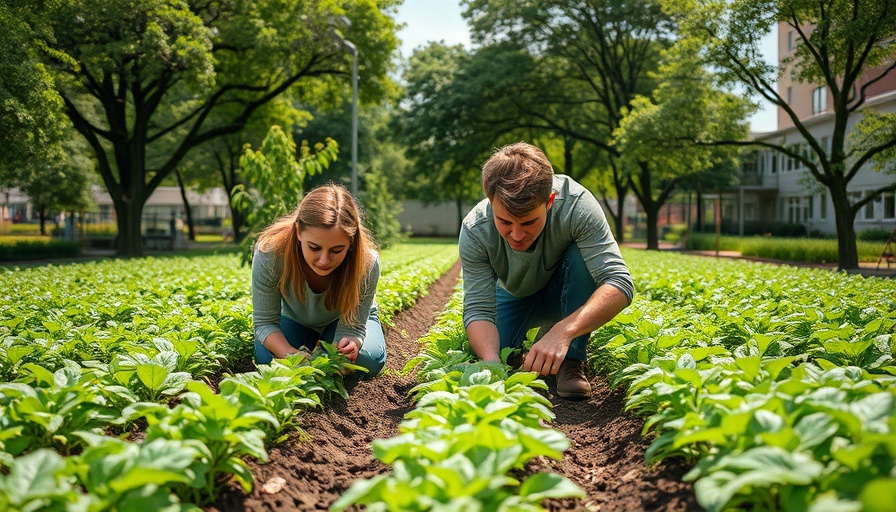
As individuals begin to cultivate their urban gardens, there’s an extraordinary opportunity for community connection. Community gardens allow for shared knowledge and resources, creating bonds among neighbors. Joining local gardening or environmental groups is a profound way to amplify this spirit, exchanging tips on successful vertical farming or hosting workshops to teach newcomers the ins and outs of hydroponics.
This vertical garden trend doesn't just offer personal rewards; it ties back to larger goals of sustainability and environmental stewardship. By growing food locally, urban gardeners can contribute to decreased carbon footprints and reduced food miles.
Getting Started: Actionable Steps Towards Your Urban Garden
Ready to join the movement? Here are some simple steps to get started on your vertical garden journey:
- Choose Your Space: Assess where you have room for a vertical garden – a wall, balcony, or even indoors near a sunny window.
- Select Your Crops: Begin with easy-to-grow plants such as herbs (basil, mint) or leafy greens (lettuce, spinach) that thrive in hydroponic systems.
- Invest in a Hydroponic System: Research and decide on a hydroponic system that fits your space and budget—options range from DIY setups to ready-made kits.
- Join Local Gardening Groups: Connect with a community of like-minded gardeners for support and inspiration.
As we celebrate World Environment Day, let’s remember that small actions can lead to significant change. Choose to grow your own food, even in the most confined spaces, and witness firsthand the joy and fulfillment that comes from nurturing life.
Empowered by the possibilities of vertical farming, urban gardeners can create their own green revolution. Whether you’re a seasoned gardener or just starting out, every plant you grow contributes to a healthier, more sustainable planet.

Write A Comment