 Add Row
  Add
Add 

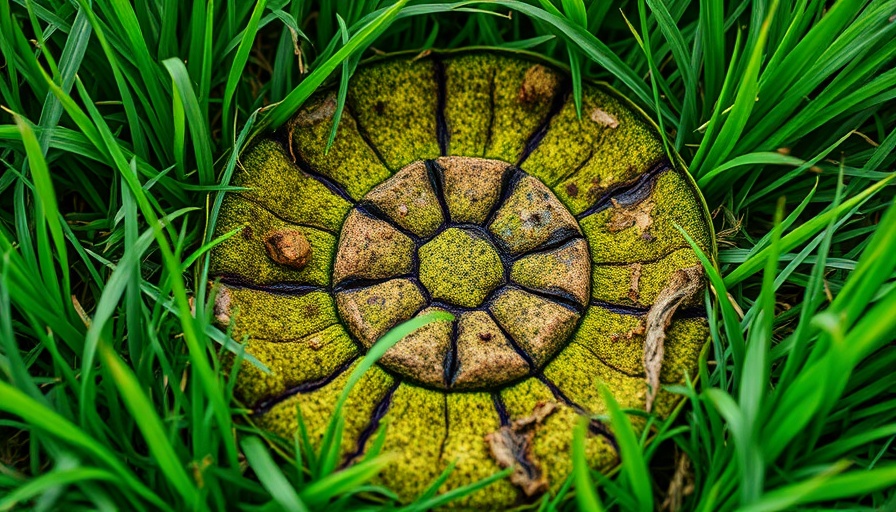
Understanding Winter Fusarium: The Silent Lawn Threat
Winter Fusarium, a grass disease caused by the fungus Microdochium nivale, can wreak havoc on your lawn during cooler months. Initially presenting as small patches with an orange to dark brown hue, these spots can expand and transform into light grey blotches if left unchecked. While commonly found on cool-season grasses like rye and fescue, winter fusarium can also impact warm-season varieties such as couch and kikuyu. Understanding this condition is crucial for any lawn care enthusiast wanting to maintain a healthy lawn during the winter months.
Identifying Key Symptoms of Winter Fusarium
Recognizing the key symptoms of winter fusarium will empower lawn caretakers to act before the disease spreads dramatically. Look for the following telltale signs:
- Small, orange/brown patches that can expand up to 20cm in diameter.
- Water-soaked appearance in the initial stages, eventually turning light grey.
- When mowed short, outer edges may show a smoke-like ring.
- Fluffy white mycelium, especially during wet conditions, which may lead to spore production causing a pinkish hue.
Being vigilant about these symptoms can help you tackle the issue before it escalates.
When Does Winter Fusarium Strike?
This lawn disease typically manifests between May and September, thriving in cool conditions with temperatures ranging from 7 to 20 degrees Celsius. Its prevalence increases under wet, overcast weather and in lawns with heavy thatch, where nitrogen is abundant but phosphorus and potassium levels are low. Understanding its growing conditions can help prevent infestations.
Preventive Measures: Keeping Your Lawn Safe
Prevention is better than cure, particularly with a disease like winter fusarium. Here are some effective strategies:
- Aeration: Enhance soil circulation by aerating your lawn with a garden fork or tyne aerator, particularly if you notice thatch buildup.
- Dethatching: This should ideally be done in spring, as it can disturb newly noted fungus during winter.
- Trimming Surrounding Foliage: Reduce shade by pruning trees and shrubs to allow more light on the lawn.
- Soil pH Management: Create a balanced environment by adjusting soil pH; winter fusarium prefers alkaline soils.
Effective Treatments for Winter Fusarium
If winter fusarium has already taken hold, various fungicides can help control outbreaks. Options such as Tombstone Fungicide, Mancozeb, and Heritage Maxx have proven effective. Remember, since the disease primarily affects the grass's leaves and stems, you may not see immediate results. Recovery often takes time until growth resumes in spring.
Frequently Asked Questions About Winter Fusarium
Curious about why your lawn might be suffering? Here are some common questions:
- Can Winter Fusarium affect other plants? Yes, this fungus can also attack vegetables and crops such as wheat, barley, and oats.
- Is it harmful to pets or humans? Winter fusarium is not known to be harmful to pets or humans but can significantly affect lawn aesthetics.
- How often should preventative measures be taken? Monitoring your lawn regularly and aerating at least once or twice per season is advisable, along with yearly soil tests for pH management.
Maintaining a healthy lawn means staying informed about potential threats. With awareness and proper care, your turf can thrive, even through the winter months.



Write A Comment